Steps to Buy a House, Land, or Condominium in Thailand for Foreigners
Buying property in Thailand as a foreigner requires understanding the rules and preparing the right documents. Here’s a step-by-step guide:
1. Understand Ownership Rights
Foreigners can:
Own a condominium unit outright (within the 49% foreign quota)
Cannot own land directly
Own a house/building, but land must be:
Leased (30 years + renewals) or
Purchased through a Thai company
2. Prepare Required Documents
Passport
Foreign Exchange Transaction Form (FET) for condo purchase
Sale and Purchase Agreement (SPA) / Lease Agreement
Project documents from the developer
3. Open a Thai Bank Account (if needed)
Needed for transferring funds or making payments
4. Transfer Funds into Thailand
Funds must be remitted in foreign currency
Bank issues the FET form required for condo registration
5. Sign Agreements and Make Payments
Pay booking fee
Sign SPA
Pay installments or complete full payment
6. Conduct Due Diligence
Verify Chanote title deed
Inspect construction / condo unit
Check legal limitations and zoning rules
7. Transfer Ownership at the Land Office
For condos and houses:
Buyer & seller visit the Land Office
Pay transfer fees and taxes
Receive Unit Ownership Certificate (condo)
For land:
Foreigners must sign a long-term lease (30 years) instead of owning land
8. Post-Transfer Procedures
Pay common area fees (for condos)
Register as an occupant
Handle any required tax payments
💡 Tip: Working with a reputable real estate agent or lawyer in Thailand can help streamline the process and ensure compliance with Thai laws.
Land Title Documents in Thailand Ranked From Highest to Lowest Legal Security
1️⃣ Chanote Title Deed (Nor Sor 4 Jor / NS4J)
Importance / Rights
The highest and most secure land title in Thailand
Land boundaries precisely surveyed with GPS and official markers
Full ownership rights: can sell, lease, transfer, inherit
Can be used as collateral for bank loans
Eligible for construction permits
Strongest legal protection in land disputes
2️⃣ Nor Sor 3 Gor (N.S.3.Gor)
Importance / Rights
Officially surveyed with fixed boundaries (but not GPS-level like Chanote)
Fully transferable and mortgageable
Can be upgraded to Chanote
Slightly lower legal certainty compared to Chanote
3️⃣ Nor Sor 3 (N.S.3)
Importance / Rights
Boundaries recorded by reference to neighboring plots
→ Not marked with permanent boundary markersStill transferable, but requires notice period to neighbors
Can be upgraded to Chanote after proper surveying
More prone to boundary disputes vs. NS3Gor
4️⃣ Sor Kor 1 (S.K.1)
Importance / Rights
Evidence of possession, not full ownership
Cannot be transferred or sold
Can support upgrade process to Nor Sor 3 / Chanote
Often requires complex verification before upgrading
5️⃣ Sor Por Kor 4-01
(Agricultural Land Reform Document)
👉 Not an ownership title — a regulated right to use for agriculture
Importance / Rights
Granted to farmers for agricultural use only
Cannot be sold legally
Limited inheritance rights (must remain a qualifying farmer)
Cannot be mortgaged or used as collateral
Strict government restrictions on land use & transfer
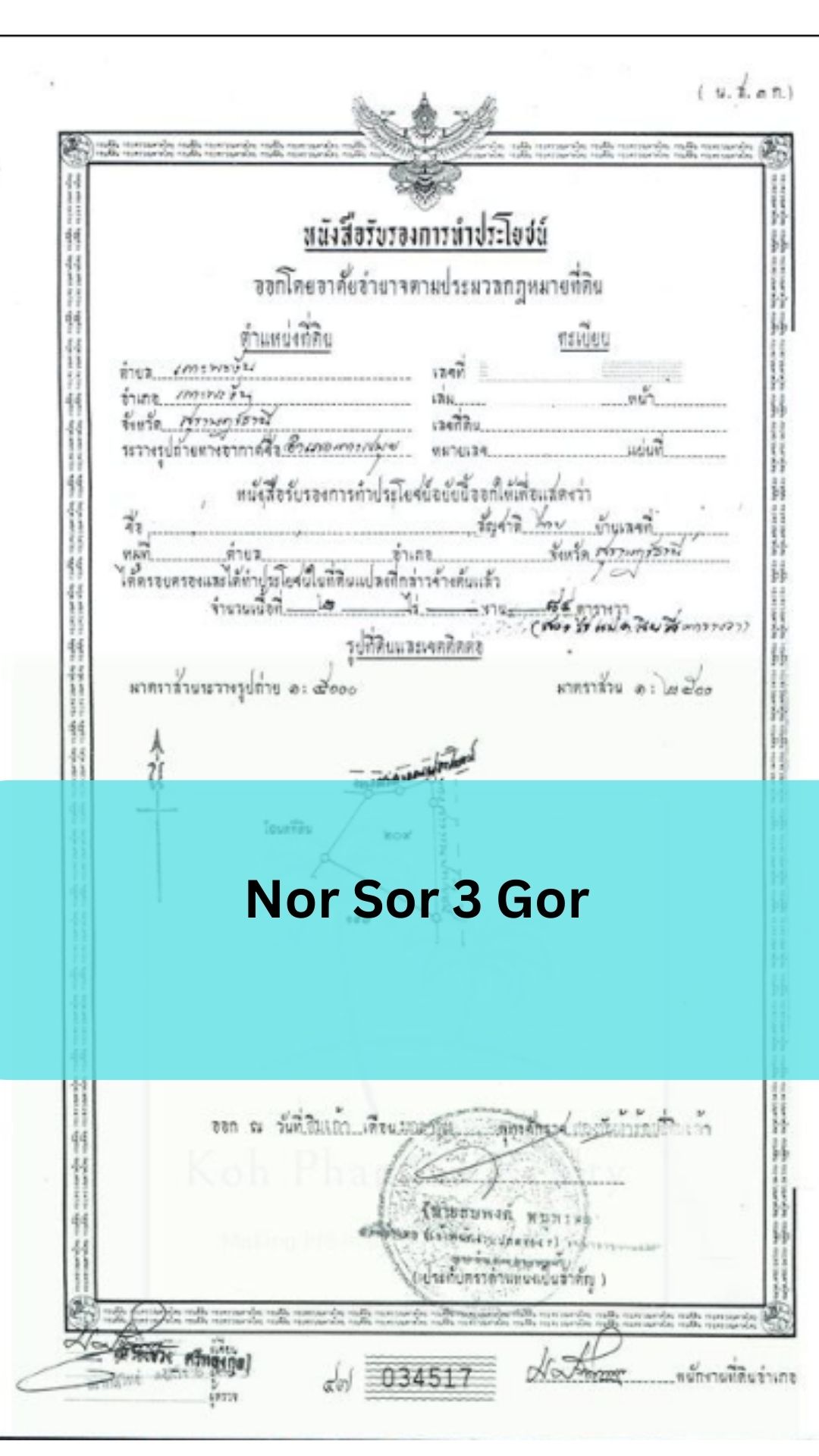
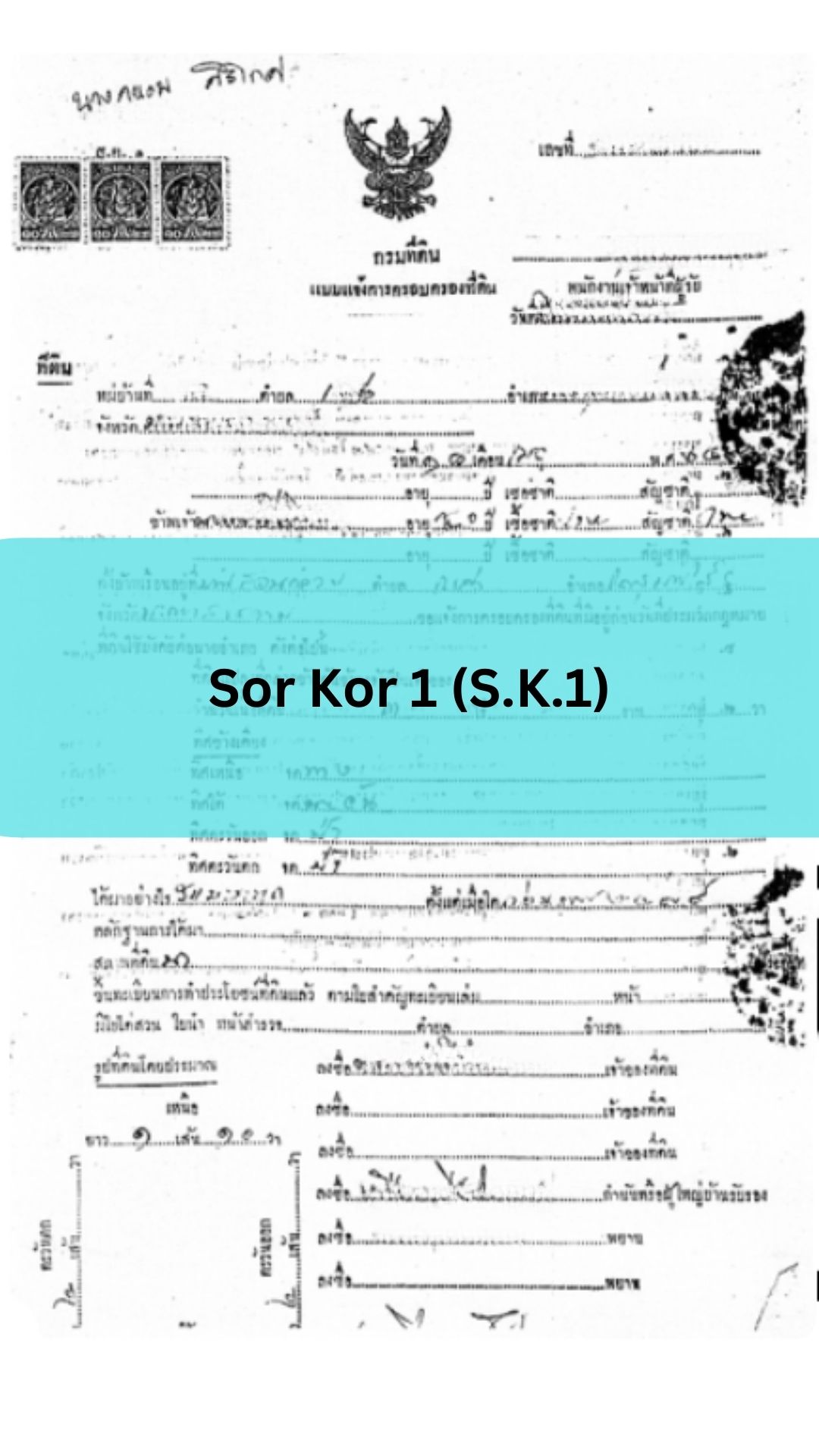
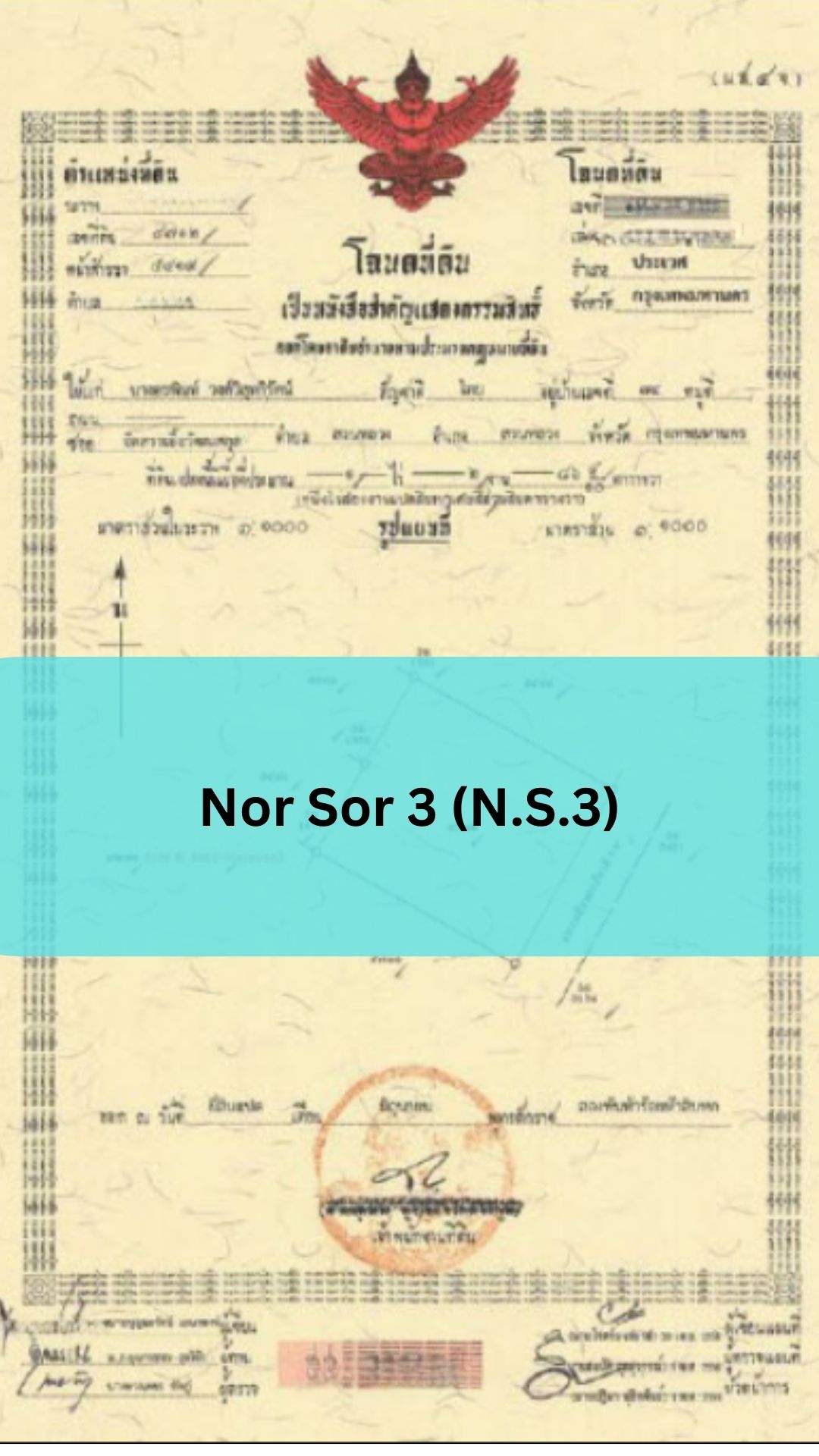
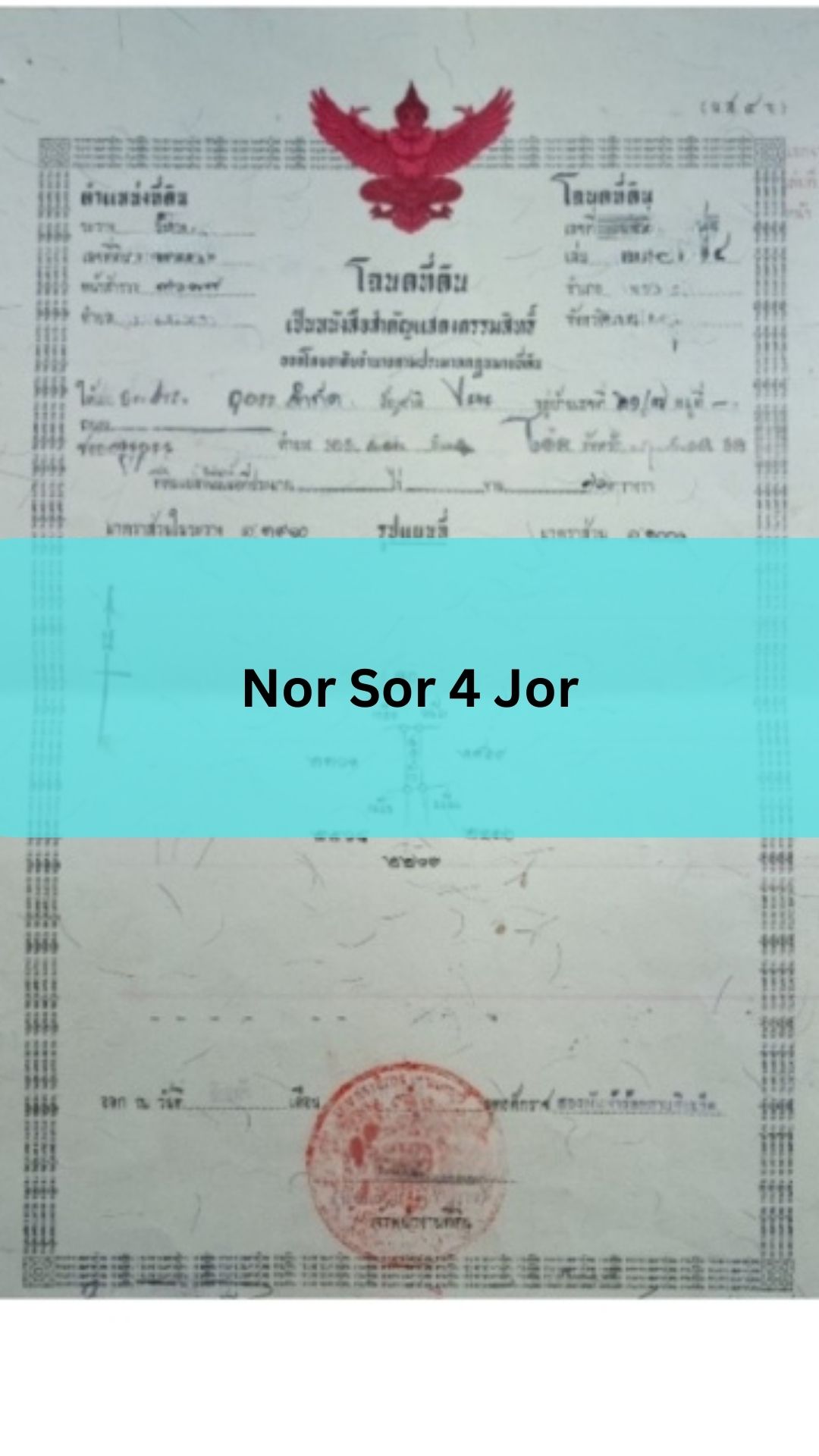
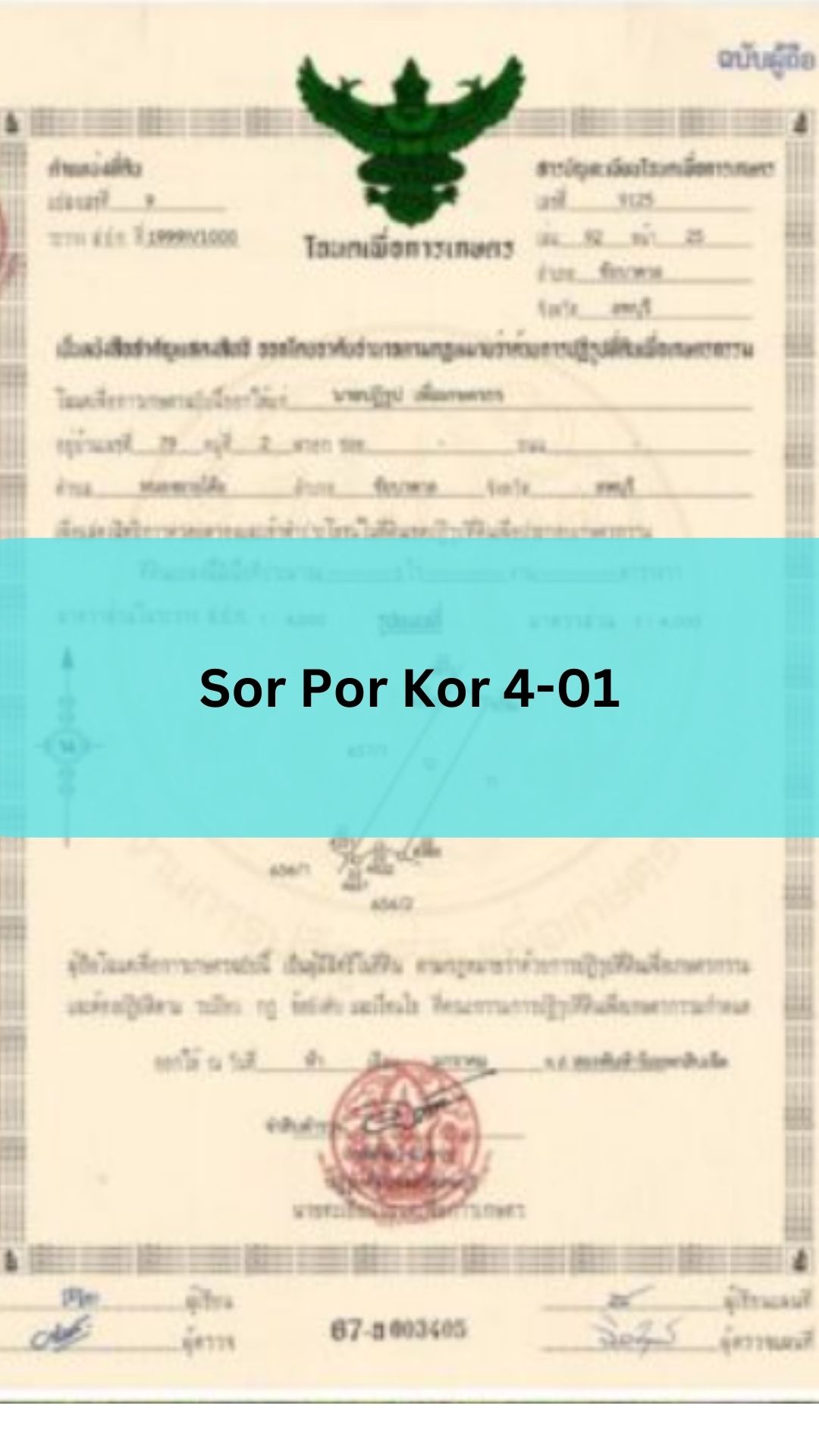
Source: Department of Lands, Thailand
Images are used for educational and informational purposes only and are not intended for commercial use or as legal documents.
All personal information has been removed for privacy protection.
A Guide to Thailand’s House Registration Books
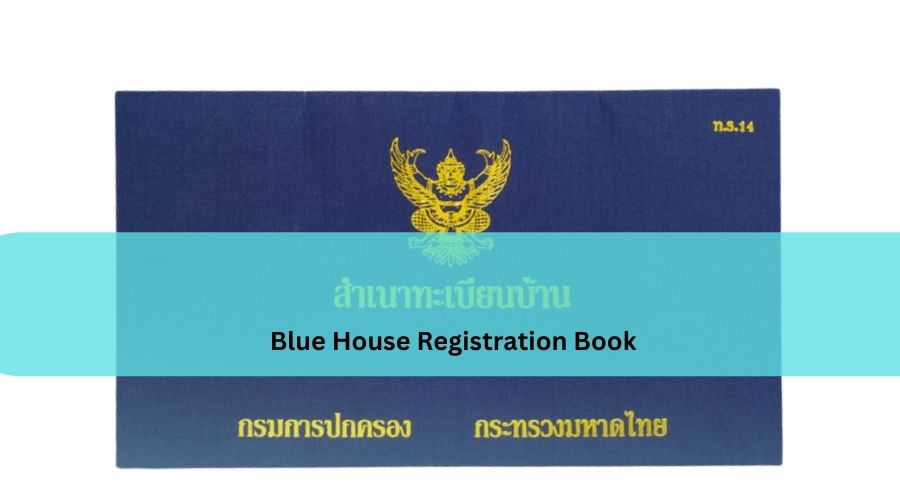
📘 Blue House Registration Book (Tor Ror 14)
Issued by the local district office for Thai citizens and permanent residents of Thailand
Records the official address of a house/condominium and the names of all legally registered residents at that address
Not a proof of property ownership — it is used to confirm legal residence and domicile
Required for many official and administrative procedures, such as opening a bank account, registering a vehicle, or receiving government services
The householder (head of household) must report any changes such as move-ins, move-outs, or deaths of registered residents
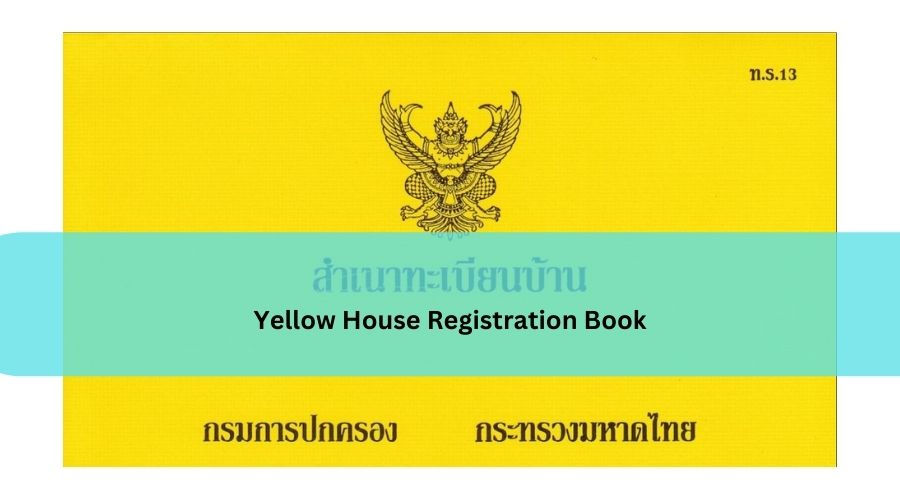
📒 Yellow House Registration Book (Tor Ror 13)
Used for foreign nationals who legally reside in Thailand
e.g., long-term visa holders, foreigners married to Thai nationals, property owners or long-term tenantsServes as official proof that a foreign resident lives in a specific house or condominium unit
Like the Blue Book → It does not grant land or property ownership rights
Helps streamline administrative processes such as:
applying for a driver’s licence, utility setup, opening bank accounts, and other government servicesRequirements and procedures vary by district/municipality; typically include
— passport, valid visa, and proof of residence (and possibly additional documents)